About Mineral Insulated Cables For Thermocouples And RTDs
A Mineral insulated cable (MI cable) is a specialized type of cable used in high temperatures or harsh environmental conditions because it has low flammability, even when operating at high temperatures. It resists oxidation and enables precise measurement.
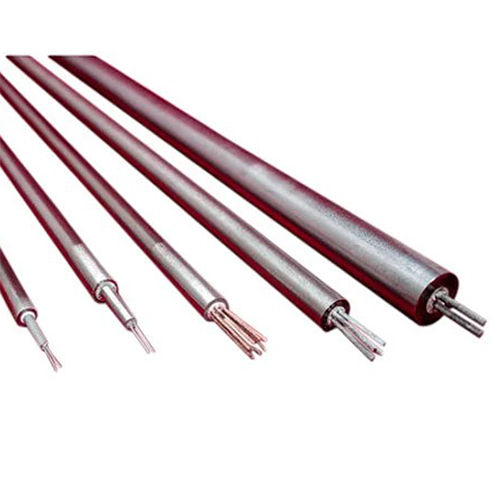
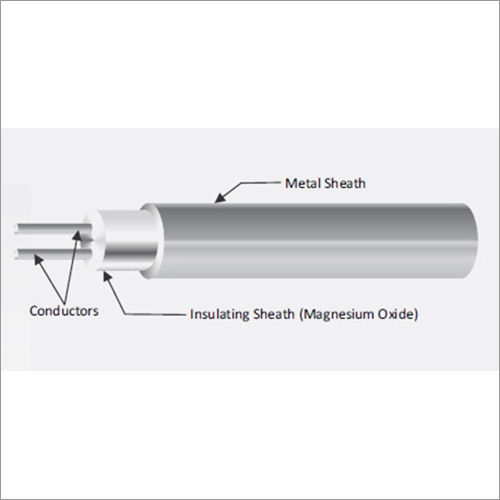
The metal sheath that clads MI cable helps to protect the thermocouple wires from oxidation when used in chemically active or wet environments. Corrosion resistance makes mineral insulated cable ideal for use in areas where failure and replacement could be dangerous or even impossible. For example, MI cable is used in nuclear plants to monitor core temperatures.
The mineral fillings in MI cables provide excellent non-reactive insulation, preventing the thermocouple wires from contact with each other or with caustic substances such as oils, solvents or water. This helps to ensure that the thermocouple probes remain accurate, critical in applications such as heat treating or sintering where the quality of the product could be adversely affected by temperature fluctuations.
Versatile Applications in Harsh EnvironmentsThese mineral insulated cables are engineered for reliability in demanding settings, including power stations, refineries, and laboratories. Their robust construction-using stainless steel, Inconel, or copper sheaths-ensures optimal performance even under extreme temperatures, mechanical stress, and corrosive conditions. The superior ingress protection up to IP67 (with suitable termination) and high insulation resistance mean uninterrupted operation in critical processes. Flexible installation options allow embedding, clamping, or exposed mounting, adapting to nearly any industrial requirement.
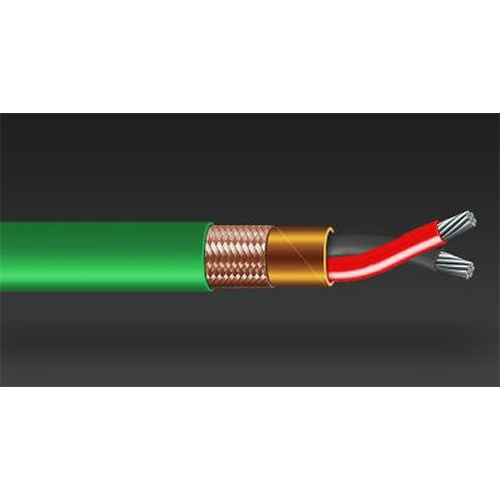
Customizable For Your Precise NeedsAvailable in custom lengths and a range of diameters from 1 mm to 8 mm, these cables can be tailored for specific types of thermocouples (K, J, T, E, N, S, R, B) and RTDs (PT100). The choice of conductor material, shape, and number of cores ensures compatibility with diverse sensing arrangements. Whether you need straight lengths, spools, multi-core setups, or armored variants, the solution is fully aligned with your instrumentation and environmental challenges. The cables remain RoHS compliant and are offered by exporter-importers, manufacturers, and service providers across India.
FAQ's of Mineral Insulated Cables For Thermocouples And RTDs:
Q: How are mineral insulated cables for thermocouples and RTDs typically used?
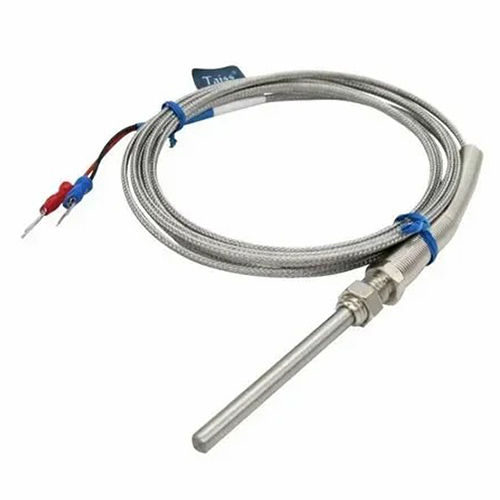
A: These cables are widely used to connect sensors in environments demanding high temperature and corrosion resistance, such as industrial process plants, laboratories, refineries, and power stations. They ensure accurate temperature measurement and reliable signal transmission, even in harsh conditions.
Q: What benefits do mineral insulated cables offer over standard cables?
A: They provide superior fire resistance, robust mechanical strength, and excellent insulation, thanks to compacted magnesium oxide and stainless steel or Inconel sheathing. Their maintenance-free design and high temperature tolerance make them ideal for critical or safety-sensitive installations.
Q: Where can these cables be installed, and what are the mounting options?
A: These cables can be embedded within equipment, clamped to surfaces, or left exposed, depending on application needs. Their flexible construction accommodates diverse installation requirements in industrial, laboratory, or research environments.
Q: What is the process for specifying a suitable cable for a thermocouple or RTD application?
A: To select the right cable, you assess the sensor type (such as K, J, PT100), operating environment, preferred diameter, insulation and sheath material, number of conductors, and specific environmental ratings like ingress protection. Suppliers in India can further tailor parameters like length, core number, and packaging to your needs.
Q: When is it recommended to use armored versions of these cables?
A: Armored cables with stainless steel or Inconel sheaths are best chosen when additional mechanical protection against impact or abrasion is required, such as in moving machinery, outdoor installations, or hazardous industrial zones.
Q: What is the maximum operating temperature for these cables and how is it determined?
A: Maximum operating temperature can reach up to 1200C, determined by the sensor type and sheath material. Stainless steel, Inconel, and specific nickel alloys allow these cables to function reliably at extreme temperatures in specialized industrial applications.



 Send Email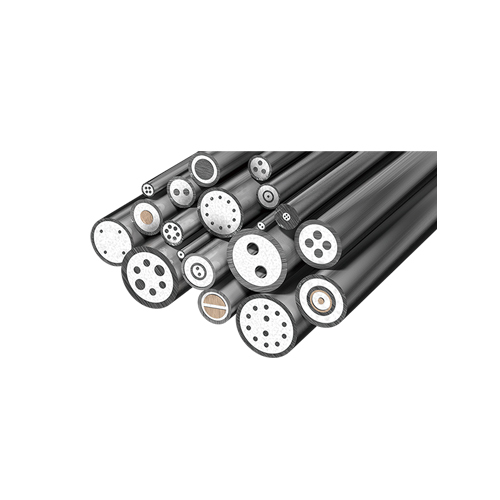

 Send Inquiry



 Send Inquiry
 Send Inquiry
 Send SMS
 Call Me Free


