FAQ's of N Type Thermocouple:
Q: How can I select the right insulation type for my N Type Thermocouple?
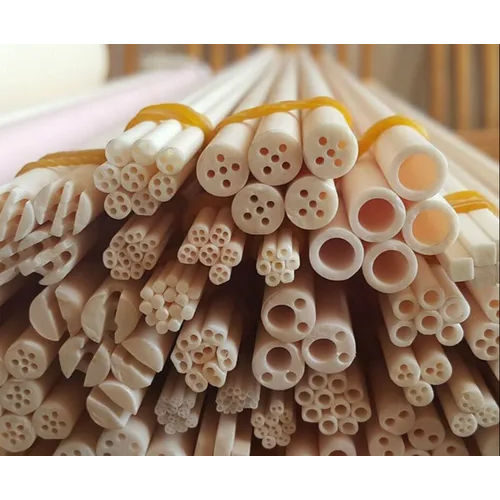
A: Choosing between PTFE, fiberglass, or ceramic insulation depends on your application's temperature requirements, chemical exposure, and desired mechanical strength. PTFE is excellent for chemical resistance, fiberglass for moderate heat, and ceramic for extremely high-temperature environments.
Q: What is the measuring range and accuracy of this N Type Thermocouple?
A: The N Type Thermocouple measures temperatures from -200C to +1300C, with an accuracy of +/- 1.5C or +/- 0.4%, ensuring reliable and precise data for sensitive industrial operations.
Q: When is an ungrounded junction type recommended?
A: Ungrounded junction types are recommended where noise immunity and electrical isolation are critical, such as in sensitive instrumentation and processes experiencing electrical interference.
Q: Where can these thermocouples be used within industrial setups?
A: They can be used in injection/extrusion molding machines, power plants, chemical processing units, metallurgy, laboratories, and aerospace components where reliable temperature monitoring is essential.
Q: What is the process for customizing probe size and length?
A: You can specify desired sheath diameter, length, and junction configuration during your order; the manufacturer will provide a fully customized thermocouple meeting your unique application demands.
Q: What are the key benefits of using an N Type Thermocouple over other types?
A: N Type Thermocouples offer superior stability at high temperatures, excellent resistance to oxidation, and high precision, making them ideal for demanding processes where measurement consistency is crucial.



 Send Email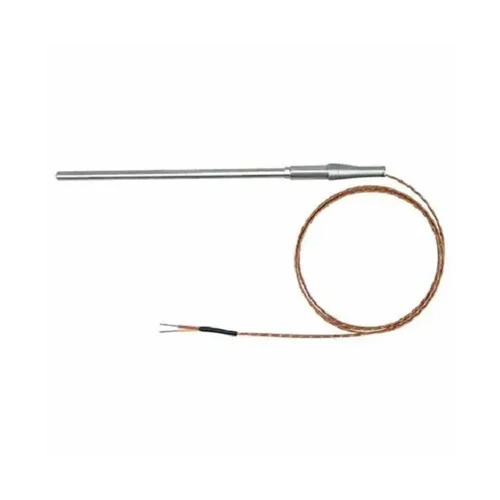

 Send Inquiry



 Send Inquiry
 Send Inquiry
 Send SMS
 Call Me Free


