About Thermocouples And RTD Cable
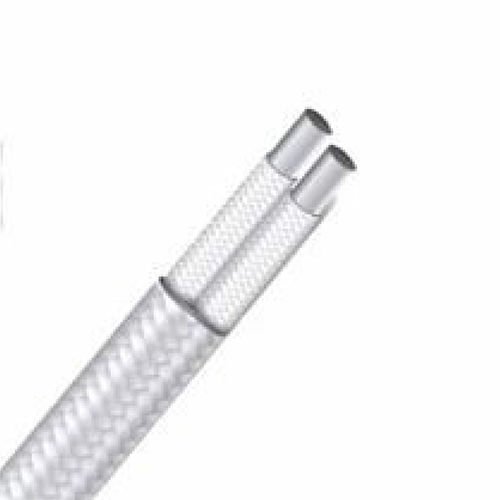
High Temperature thermocouple cables, extension cables and compensating cables for thermocouples and RTDs. Multiple braidings, types and the perfect combinations for your application. Choose from thousands of combinations or customize one.Reliable Performance in Challenging ConditionsEngineered for industrial and laboratory use, these flame retardant thermocouple and RTD cables withstand high temperatures from -60C to +400C. Their robust construction, featuring oil-resistant and chemical-resistant materials, ensures performance stability in demanding settings. Customizable in sheath type, insulation material, and color, these cables are durable enough for flexible or fixed installation, supporting critical industrial processes with consistent signal integrity and safety.
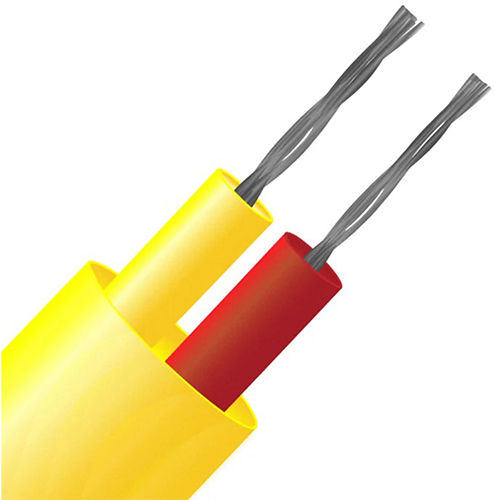
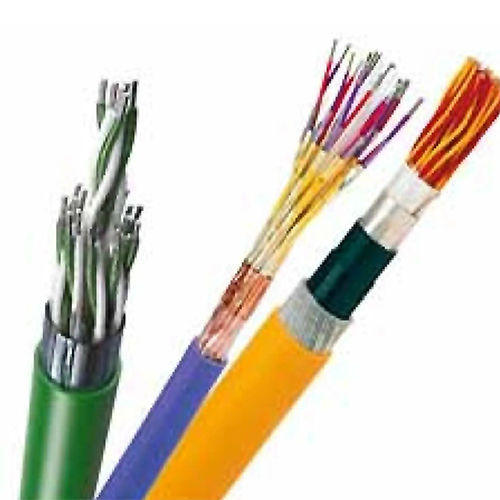
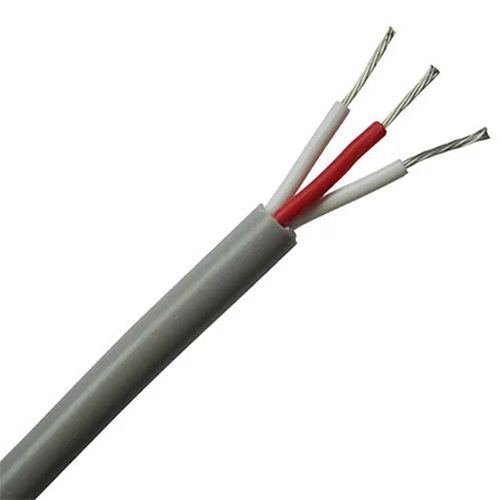
Flexible and Customizable DesignThese cables accommodate a variety of application requirements with sizes ranging from 1 sq.mm to 6 sq.mm and lengths up to 100 meters. Whether you need 2, 3, or 4 core configurations, armored stainless steel protection, or specific jacket colors, the product can be precisely tailored. The use of high-grade alloys and multiple insulation choices like PTFE and fiberglass enhance flexibility without compromising mechanical strength.
Compliance and Safety FeaturesWith RoHS compliance and adherence to ASTM E230 and IEC 584 standards, these thermocouple and RTD cables prioritize safety while meeting global standards. Optional halogen-free construction, flame retardancy, and a dielectric strength of 2 kV further guarantee operational security. UV resistance is available when requested, extending the cable's application scope to outdoor or high-exposure environments.
FAQ's of Thermocouples And RTD Cable:
Q: How are these thermocouple and RTD cables typically used in industrial settings?
A: These cables are widely used for industrial temperature sensing, laboratory measurements, and process control. Their robust construction allows them to operate reliably in harsh environments, making them suitable for equipment monitoring and critical process management in manufacturing plants, chemical processing units, and research laboratories.
Q: What benefits do flame retardant and RoHS compliant features offer?
A: Flame retardant cables minimize the risk of fire hazards, enhancing workplace safety, while RoHS compliance ensures the product does not contain hazardous substances, meeting international safety and sustainability regulations. Together, these features make the cables suitable for diverse industrial and environmentally conscious applications.
Q: When should I select an armored versus unarmored sheath option?
A: An armored sheath, typically made of stainless steel, is recommended for installations where the cables might be exposed to mechanical stress, abrasion, or harsh chemicals. Unarmored versions are preferred for less demanding environments or where flexibility is prioritized over ruggedness.
Q: Where can I customize cable features like length, core count, and insulation material?
A: Customization is available directly from the manufacturer or supplier. You can specify requirements such as length (from 1 m up to 100 m), number of cores (2, 3, or 4), and preferred insulation material (PTFE, fiberglass, PVC, silicone) at the time of order to suit your specific application needs.
Q: What is the installation process for fixed and flexible applications?
A: For fixed applications, the cables are secured and routed in place, ensuring proper bend radius (greater than 6x the cable diameter) to maintain integrity. In flexible applications, cables are designed to move without compromising electrical performance, leveraging their high durability, flexibility, and appropriate shielding where necessary.
Q: How do I ensure compatibility with different thermocouple and RTD types?
A: These cables support a wide spectrum of sensor types, including K, J, T, E, N, S, R, B thermocouples, and RTD sensors. Specify the sensor type when ordering to ensure the cable materials and connection configurations match the desired measurement standards and performance requirements.



 Send Email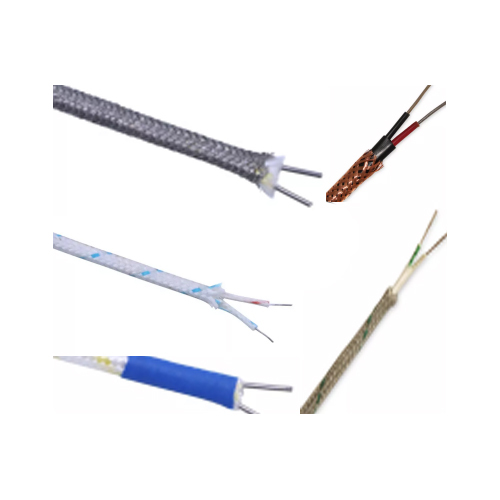

 Send Inquiry



 Send Inquiry
 Send Inquiry
 Send SMS
 Call Me Free


